The 10 Most Challenging Carpet Stains to Remove on the Sunshine Coast (And Why You Need Us!)
Last Tuesday, we got a call from a panicked homeowner in Buderim. Red wine. Cream carpet. Dinner party in three hours. She’d already tried everything under the kitchen sink, which, honestly, made things worse. By the time we arrived, what started as a wine spill looked like a crime scene.
After 20+ years of carpet cleaning across the Sunshine Coast, we’ve seen it all. And I mean all of it. Some stains walk right out with a bit of hot water. Others? They laugh in the face of every DIY trick on Pinterest.
Here are the most common “ooooopses” we’re called to, and what you’re really up against when disaster strikes your carpet.
Red wine isn’t just an inconvenience or even your typical stain. It’s a chemical bond waiting to happen. The tannins in red wine latch onto carpet fibres like they’re planning to retire there. Pour white wine on it? That’s an old wives’ tale that creates two problems instead of one.
The real danger comes from panic cleaning. Salt, club soda, dish soap and more… We’ve seen homeowners throw everything at red wine stains, and each attempt drives the pigment deeper. One couple in an upmarket Mooloolaba rental tried bleach on burgundy wine. The result? Orange spots that cost them their bond and $3,200 in carpet replacement.
Professional extraction removes wine without spreading it. We use pH-balanced solutions that break the tannin bonds without damaging fibres. Timing matters, and the faster we get there, the better your outcome.
You can’t see pet urine. That’s the problem. What looks like a small accident on the surface has usually soaked through to the underlay and sometimes the floorboards underneath. The smell? That’s bacteria breaking down uric acid crystals, and those crystals don’t evaporate.
Last month, we pulled up a client’s carpet that looked clean but smelled like a kennel. The concrete underneath was stained yellow. The tenant had been spot cleaning for months, never realising the damage accumulating below.
Enzyme treatments work, but only if they penetrate as deep as the urine did, so surface cleaning won’t cut it. Professional equipment injects cleaning solution into the pad, then extracts everything, urine, bacteria, and that ammonia smell that makes your eyes water.
Black coffee is mostly water, which should make it easy. Except it’s not just water, it’s loaded with oils and tannins that create a yellowish-brown stain that sets fast. Add milk or sugar? Now you’ve got protein and carbohydrates bonding with synthetic fibres.
The tricky part is that coffee stains often look faint at first. People think they got it. Two weeks later, a brown shadow appears. That’s oxidation, the stain developing like a photograph in sunlight.
We see this constantly in commercial offices around the Coast. Dropped coffee cups in meeting rooms, quick paper towel dabs, then permanent brown halos. Professional cleaning lifts coffee oils before they oxidize. Once oxidation happens, you’re dealing with a completely different chemical structure.
Blood contains iron and proteins. Iron oxidizes. Proteins coagulate. Both processes make stains permanent if you use hot water. Yet almost everyone’s first instinct is to grab hot water and scrub hard.
Cold water. That’s the key. But cold water alone won’t remove set blood from carpet fibres. You need specific enzymes that digest protein bonds without heat activation. Get the chemistry wrong, and you’re cooking the stain into the carpet permanently.
We handled a medical emergency cleanup in Buderim last year. The family tried cleaning themselves first with warm water. What started as a small stain became a rust-colored shadow that wouldn’t budge. Professional enzyme treatment removed it completely, but only because we caught it before they’d heat-set the proteins.
Ballpoint pen ink is designed to be permanent. That’s literally its job. The same properties that make ink stick to paper make it bond with carpet fibres on a molecular level. Rubbing spreads it. Water-based cleaners don’t touch it. Alcohol sometimes works, but usually just creates a bigger, lighter stain.
Printer ink is worse. Dye-based inks spread like watercolors. Pigment-based inks sit in carpet fibres like paint. A dropped printer cartridge in an office can ruin 50 square meters of carpet if handled incorrectly.
The right solvent matters. Too aggressive, and you melt synthetic fibres. Too weak, and nothing happens. Professional-grade spot treatments target ink chemistry specifically, breaking down the dye structure without damaging the carpet backing. This isn’t guesswork, it’s precision chemistry and our technicians have the experience required.
Living on the Sunshine Coast means dealing with our unique red clay soil. When it’s dry, it brushes off easily. When it’s wet, it becomes a staining nightmare. Clay particles are microscopic. They work their way deep into carpet fibres and set like cement.
The worst scenario? Trying to clean wet clay. You’re essentially turning your carpet into pottery. The water activates iron oxide in the clay, which stains as it dries. We see this constantly after storms in areas like Palmwoods and Maleny where clay content is highest.
Let mud dry completely first. Vacuum thoroughly. Then, and only then, treat what remains. Professional hot water extraction removes clay particles that vacuums can’t reach. The combination of heat, pressure, and proper pH-balanced solution lifts embedded clay without spreading the iron oxide stain.
Motor oil, cooking grease, butter, makeup , all petroleum-based products that repel water. Which means your water-based carpet cleaner won’t touch them. Worse, wiping spreads them. Each attempt to clean pushes oil deeper and wider into surrounding fibres.
We got called to a property where tenants had dropped a container of cooking oil. They’d spent two days scrubbing with dish soap and water. The original dinner plate-sized spill had spread to cover a square metre.The aggressive scrubbing had also frayed the carpet pile, creating permanent texture damage on top of the stain.
Oil requires solvents, not water. But solvents can damage carpet backing if misapplied. Professional equipment uses heated, pH-adjusted solutions that emulsify oil without spreading it. The extraction process removes both the oil and the solvent, leaving fibres clean and dry.
Rust stains often appear mysteriously. A metal furniture leg. A wet can bottom. Even metal carpet tacks bleeding through during cleaning. The orange-brown ring that appears isn’t dirt, it’s oxidized iron bonded to carpet fibres.
The Sunshine Coast’s coastal humidity accelerates rust formation. We regularly see rust stains in beachside apartments from Coolum to Noosa where metal fixtures corrode faster. Once rust oxidizes into carpet, standard cleaning makes it worse by spreading iron particles and setting them deeper.
Rust requires acid-based treatment. But acid on the wrong carpet type causes color loss and fibre damage. Professional technicians test pH levels and fibre composition before treatment. We use rust-specific solutions that dissolve iron oxide without touching dyes or synthetic fibres.
Nail polish is literally liquid plastic. It’s designed to harden into a durable coating. When it spills on carpet, that’s exactly what it does, it creates a plastic film bonded to fibres.
Everyone reaches for nail polish remover. That’s acetone, a powerful solvent that melts carpet fibres and dissolves the glue in carpet backing. I’ve seen acetone-treated spills where the carpet literally came apart in chunks. The tenant lost their full bond over a $5 bottle of nail polish.
The professional approach uses non-acetone solvents specifically formulated for carpet fibres. Treatment softens the polish without melting the carpet. Then mechanical extraction removes the softened material. Timing matters, as fresh polish removes easier than polish that’s been hardening for days.
Vomit contains stomach acid, bile, partially digested food, and bacteria. Each component creates its own staining challenge. The acid bleaches carpet dyes. The bile leaves yellow-green stains. The bacteria create odors that persist long after visual stains disappear.
Surface cleaning removes the solid matter but leaves everything else. The smell returns because bacteria remain active in carpet padding. We see this often in holiday rentals around the Coast. Although cleaners remove visible stains, guests still complain about mysterious odours.
Proper treatment requires neutralising acid, killing bacteria, and extracting all organic material from fibre to backing. Professional enzyme treatments digest proteins and fats. Anti-bacterial solutions kill odor-causing bacteria. Then deep extraction removes all residue. It’s a three-step process, not a one-step surface wipe.
The pattern repeats. Something spills. Panic sets in. Whatever’s under the sink gets thrown at the problem.
Here’s what we encounter regularly that makes potentially simple stains permanent:
Bleach on colored carpets:
Creates orange or white spots that no amount of professional cleaning can fix. We see this weekly. The carpet needs replacing, not cleaning.
Too much soap:
Leaves sticky residue that attracts dirt. The stain comes back darker within days. Professional extraction is needed to remove soap buildup.
Aggressive scrubbing:
Frays carpet pile, creating permanent texture damage. The area looks fuzzy even after the stain is gone.
Hot water on protein stains:
Cooks blood, vomit, and food proteins into fibres permanently. What could have been a simple cleanup becomes much more difficult, and sometimes impossible.
The financial reality? Emergency professional cleaning typically costs $150-300. DIY attempts that fail often result in full carpet replacement, anywhere between $2,000-5,000 for an average room. We’ve seen countless Sunshine Coast homeowners and tenants lose bonds, pay replacement costs, or damage properties trying to save the cost of a professional service call.
Professional carpet cleaning isn’t magic. It’s chemistry, equipment, and experience. Here’s what happens when you call us:
Fibre identification:
Different fibres require different treatments. Wool, nylon, polyester etc, each reacts differently to solvents, heat, and pH levels.
Stain chemistry analysis:
We identify what caused the stain and match treatment to chemistry. Protein stains need enzymes. Tannins need oxidizers. Oils need emulsifiers.
Proper pre-treatment:
Stain-specific solutions applied at correct pH and concentration. Dwell time matters, rushing this step increases the risk of failure.
Hot water extraction:
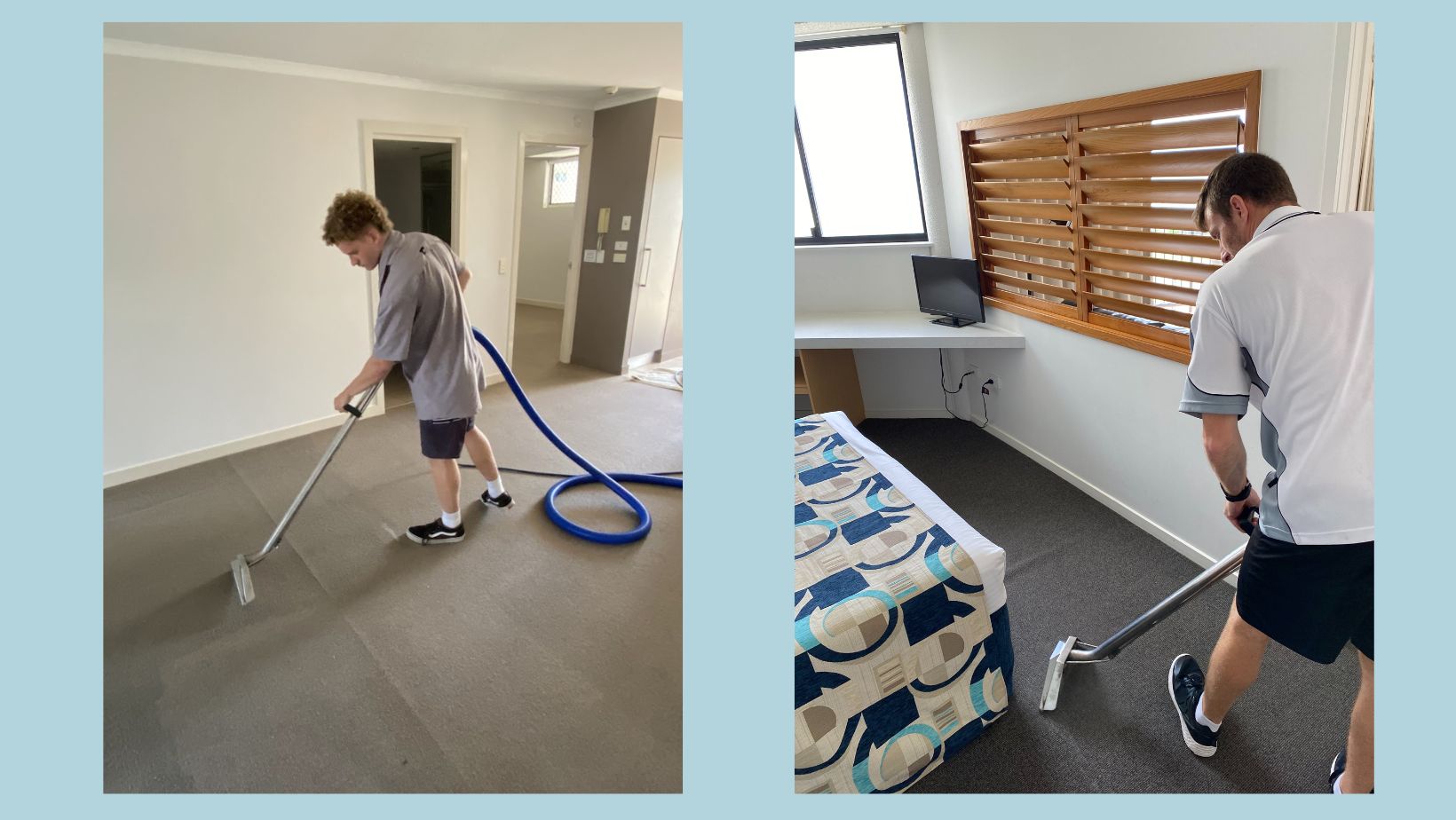
Professional truck-mounted or portable equipment that injects heated solution deep into carpet pad, then extracts everything: dirt, stain, cleaning solution, and moisture.
Neutralisation and protection:
pH balancing prevents future staining and fibre damage. Optional stain protection treatment helps prevent the next disaster.
After 20+ years of carpet cleaning from Noosa to Caloundra, we’ve learned that experience matters as much as equipment. Knowing which treatment won’t work saves time and prevents damage. Understanding fibre chemistry prevents expensive mistakes, and recognising when a stain is truly permanent saves customers money instead of wasting it on impossible cleaning attempts.
Some situations need professional help immediately:
The faster we get there, the better your outcome. Fresh stains remove easier than set stains. Untreated stains are easier to remove than stains damaged by incorrect DIY attempts.
Not every stain is impossible. But the ten stains above require more than grocery store spray bottles and paper towels. They need proper equipment, right chemistry, and experience to avoid making things worse.
We’ve restored carpets that looked hopeless. We’ve also seen carpets ruined by well-meaning DIY attempts. The difference usually comes down to one decision, calling professionals before trying everything under the sink.
Your carpet represents serious investment. In rental properties, it represents your bond. In commercial spaces, it represents your professional image. When disaster strikes, the question isn’t whether professional cleaning costs money, it’s whether NOT using professionals will cost you more.
Facing a stubborn carpet stain? Don’t risk DIY damage that turns a simple cleanup into expensive replacement. We know what works and what doesn’t. More importantly, we know what makes impossible stains worse versus what makes them disappear.
The team at Brightaire Property Services have seen and solved every carpet staining crisis imaginable. We serve all Sunshine Coast areas including Noosa, Caloundra, Buderim, Mooloolaba, Kawana, Maroochydore, Alexandra Headland, Moffat Beach, Nambour, Yandina, Woombye, Palmview, Palmwoods, Maleny, Montville, Aura, Sippy Downs, Harmony, Birtinya, Coolum, and Peregian.
For emergency stain removal or professional carpet cleaning, contact us for an obligation-free quote:
1300 666 237
hello@brightairepropertyservices.com.au
We respond fast, work professionally, and deliver results that protect your investment. Whether you’re a homeowner dealing with disaster, a property manager protecting bonds, or a business maintaining professional appearance, we’re the team that gets it right the first time.